Roof Repair · the USA
We focus on matching repairs to the existing roof system rather than applying a single method to every job. Crews carry a range of materials so they can handle the conditions found on site without delay.
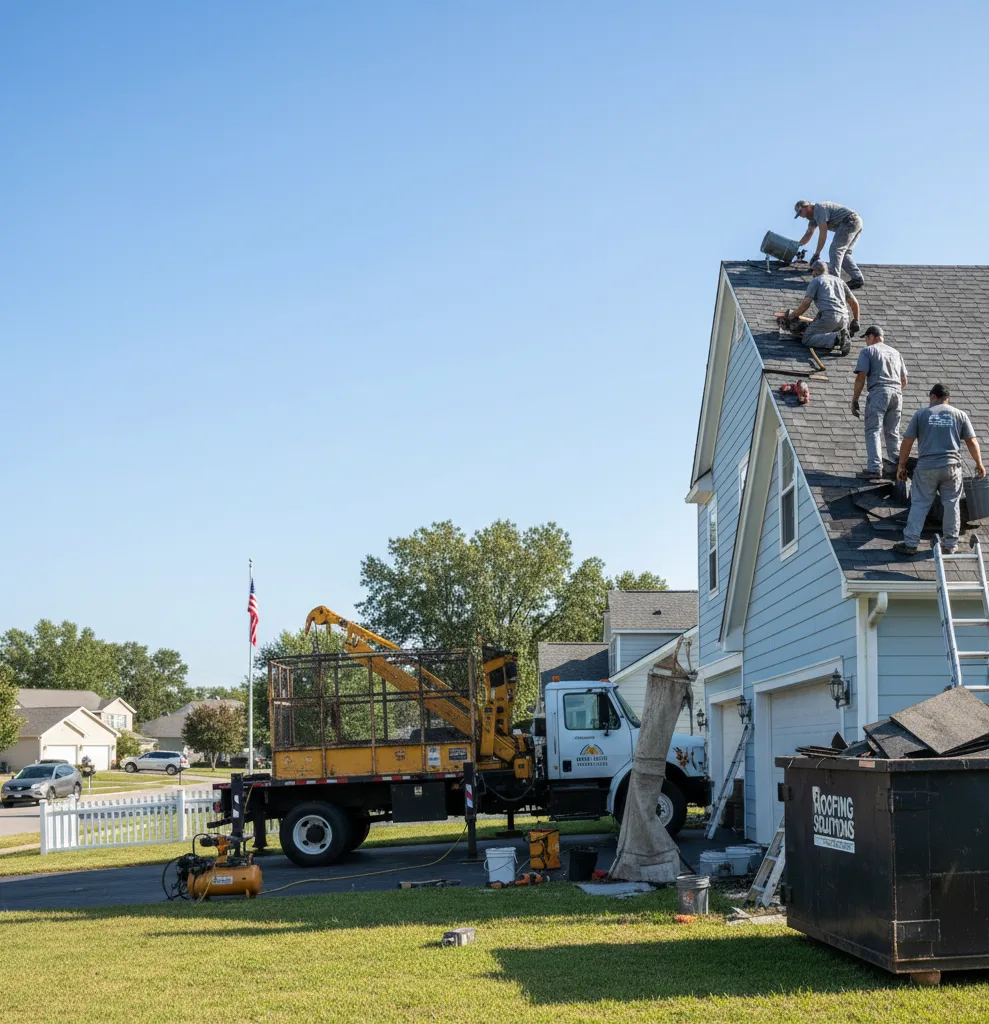
Commercial roofs often develop leaks or soft spots that show up first around seams, penetrations, and drainage points. Over time, membrane shrinkage, fastener back-out, and ponding water let moisture into the insulation layers below. A visual walk of the surface may turn up blisters, cracks, or spots where gravel has shifted, but many issues sit beneath the top layer. Checking interior ceilings for water stains or listening for drips during rain gives an early sign that further inspection is needed. Once the source is located, the repair plan focuses on restoring the weather barrier without disturbing unaffected sections. This keeps the building running while fixing the specific area.
Technicians often run into deteriorated flashing around HVAC curbs and skylights, along with clogged scuppers that let water sit longer than it should. In some cases, earlier patches have failed because the deck underneath was not dried or the new material did not match. Wind-driven debris can also create small openings that widen over time. Property managers sometimes notice higher utility costs before visible leaks show up, since wet insulation loses its effectiveness. Documenting these conditions with photos and notes helps guide the next steps for repair.
FAQ
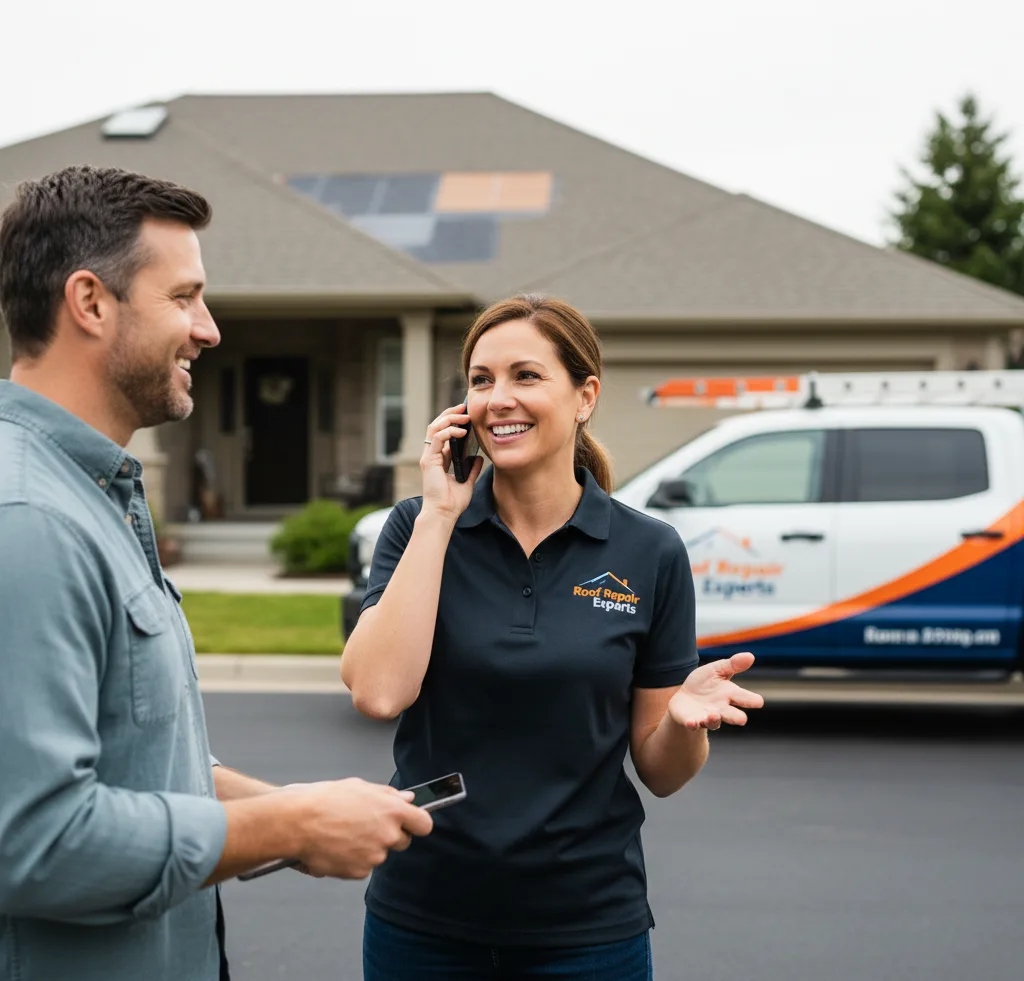
A surface patch can stop immediate entry but does not always address the path water took to reach that point. An inspection often includes checking the decking beneath the shingles and the condition of nearby flashing. If the underlayment has deteriorated or the leak has traveled along rafters, additional sections may need attention to prevent recurrence in adjacent areas.
Material compatibility, fastening patterns, and sealant choice all play a role in how the repaired area holds up over time. Matching the existing underlayment type and ensuring proper overlap at seams reduces the chance of new entry points forming nearby. Weather exposure after the work also influences longevity, particularly on slopes that receive direct sun or prevailing wind.
Small sealant touch-ups on accessible flashing are sometimes done by owners, but any work above single-story height introduces fall risks and potential warranty issues on the existing roof. Professional crews carry the proper safety equipment and know how to avoid disturbing sound sections while accessing the problem area. A quick assessment can clarify whether the situation requires immediate professional attention or can wait for scheduled maintenance.