Roof Repair · the USA
The company sends crews that have worked on many different roof types across the USA. Each job starts with a full walk of the roof and attic so the actual leak path is identified before any materials are removed.
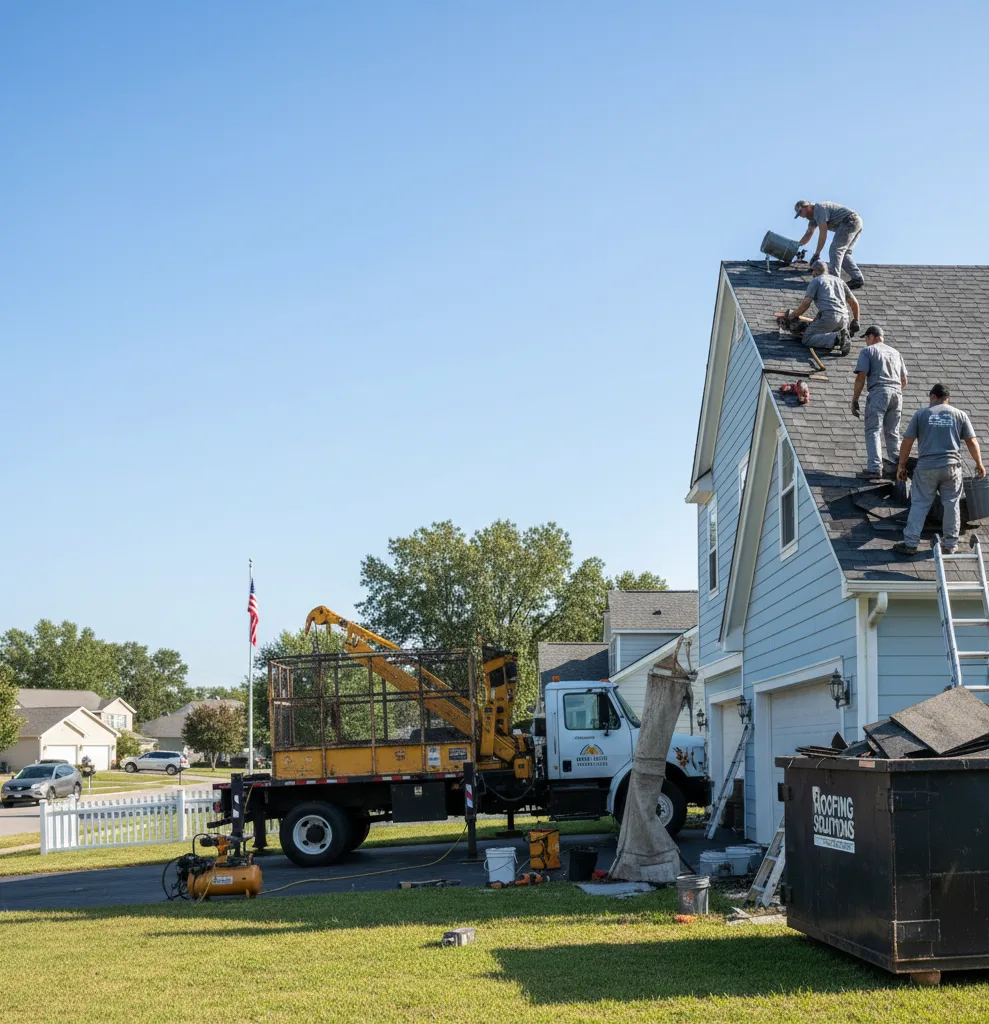
Water stains on ceilings or walls often appear first. Homeowners may also notice drips during rain, a musty smell in the attic, or soft spots when walking on certain sections of the roof. These clues help narrow down where moisture is entering. Once inside, the crew checks flashing around chimneys, vents, and skylights because those junctions are common starting points. They also look at shingle condition, granule loss, and any lifted edges that allow water to work its way underneath. In some cases the source is farther uphill from the visible damage, so the inspection covers the entire slope rather than only the stained area. After the cause is identified, the repair focuses on restoring the waterproof layer without replacing the whole roof unless the surrounding material is also worn.
Age-related wear, storm damage, and improper previous repairs are frequent reasons leaks develop. Trees that drop branches or leaves into valleys can create small openings that grow over time. Ice dams in colder months push water under shingles, and sealant around pipes or vents can crack after years of sun exposure. Homeowners can check the attic on a dry day for daylight coming through the roof deck or for damp insulation, but reaching the actual leak often requires climbing onto the roof with proper safety gear.
FAQ
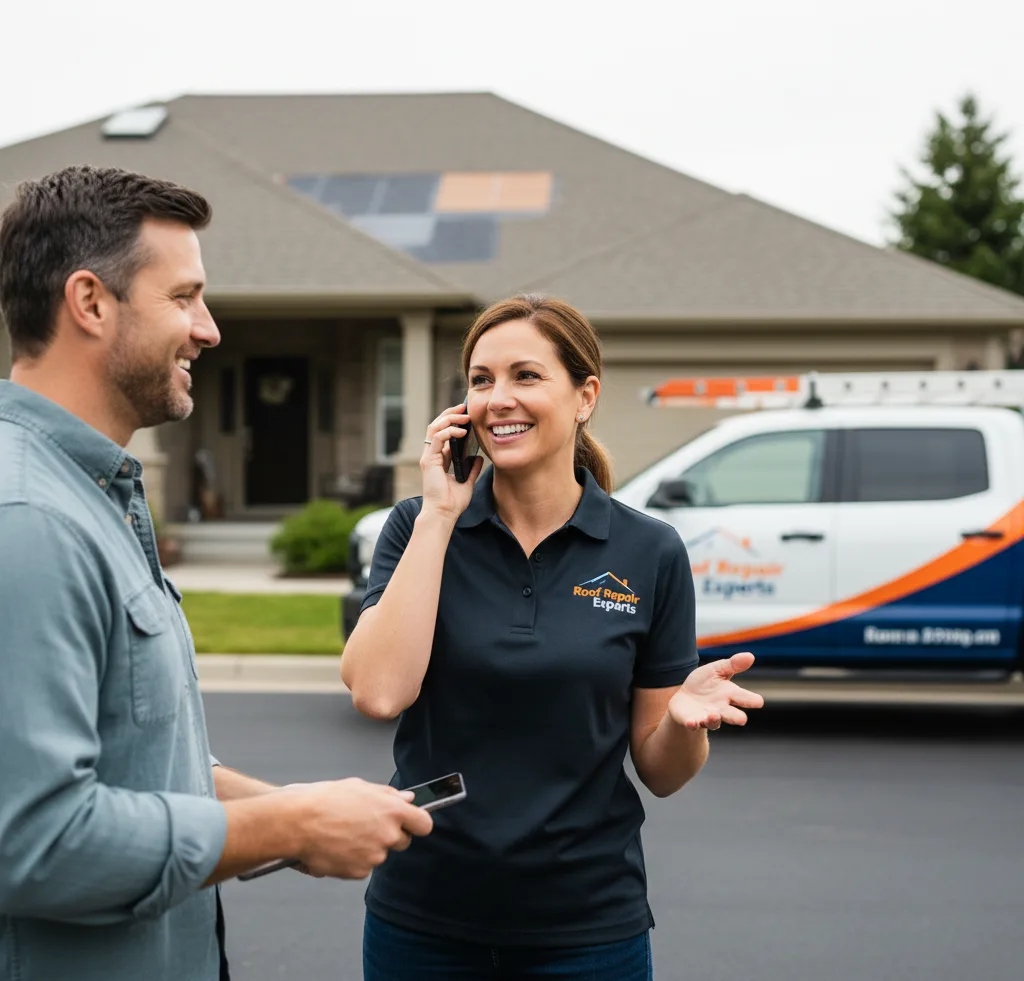
A surface patch can stop immediate entry but does not always address the path water took to reach that point. An inspection often includes checking the decking beneath the shingles and the condition of nearby flashing. If the underlayment has deteriorated or the leak has traveled along rafters, additional sections may need attention to prevent recurrence in adjacent areas.
Material compatibility, fastening patterns, and sealant choice all play a role in how the repaired area holds up over time. Matching the existing underlayment type and ensuring proper overlap at seams reduces the chance of new entry points forming nearby. Weather exposure after the work also influences longevity, particularly on slopes that receive direct sun or prevailing wind.
Small sealant touch-ups on accessible flashing are sometimes done by owners, but any work above single-story height introduces fall risks and potential warranty issues on the existing roof. Professional crews carry the proper safety equipment and know how to avoid disturbing sound sections while accessing the problem area. A quick assessment can clarify whether the situation requires immediate professional attention or can wait for scheduled maintenance.