
Roof Leak Repair
The company sends crews that have worked on many different roof types across the USA. Each job starts with a full walk of the roof and attic so the actual leak path is identified before any materials are removed.
Get a quoteRoof Repair · the USA
Genera Roof Repair handles Roof Repair work across the USA.
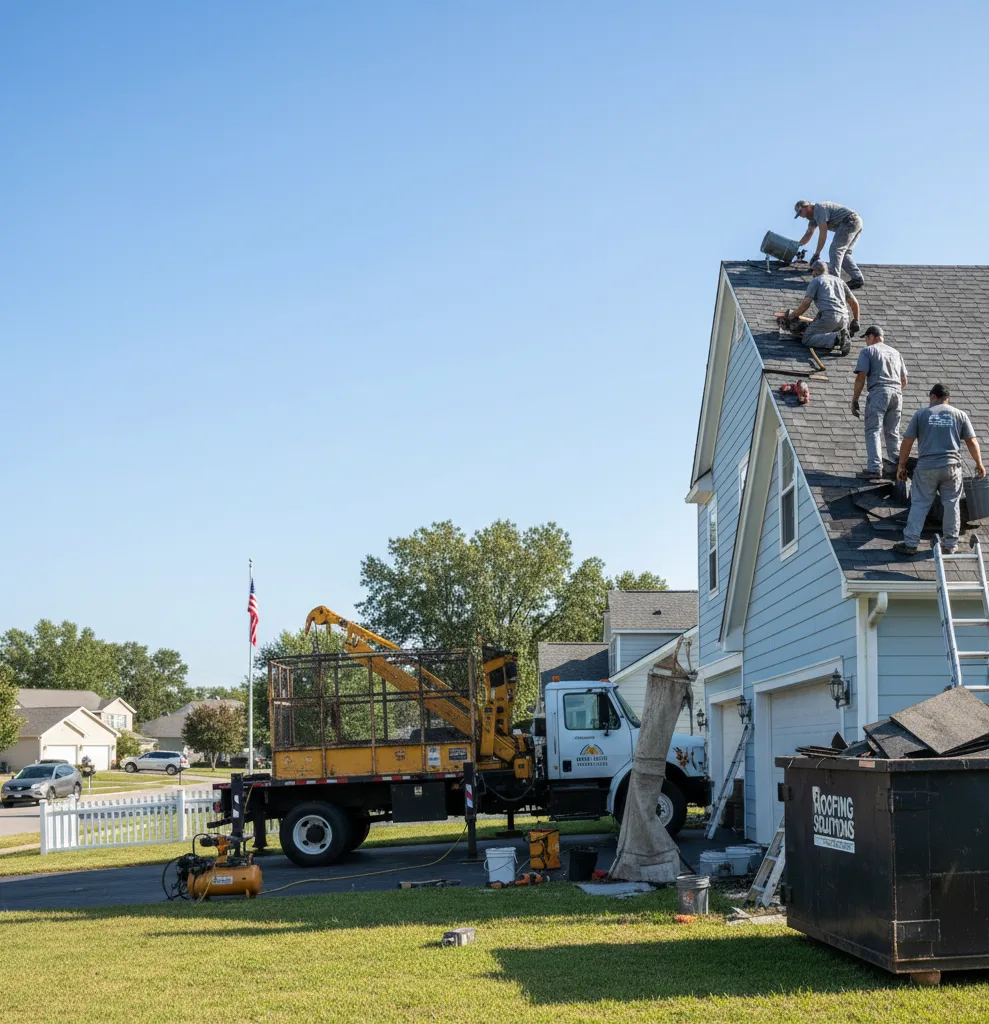
Every visit begins with a close look at shingles, flashing, and underlayment as part of roof inspection to locate the exact source of moisture entry.
Technicians select replacement sections that align with the existing roof system to maintain structural continuity during shingle replacement.
A written summary of findings and completed steps is provided so owners have a clear record of the work performed.
Services
The company sends crews that have worked on many different roof types across the USA. Each job starts with a full walk of the roof and attic so the actual leak path is identified before any materials are removed.
Get a quoteEach project is scoped on site, materials are ordered to match the measured area, and the sequence of tear-off and installation follows a documented checklist. Crews work within the standards set by the manufacturer and local building requirements.
Get a quoteWe focus on identifying the precise failure point, using compatible materials, and confirming drainage still functions after the repair is complete for commercial roof repair.
Get a quoteCrews follow a written sequence that begins with moisture mapping and ends with a documented water test during roof maintenance. Material choices are recorded so that future work can reference what was installed.
Get a quoteTechnicians document visible conditions with photographs and measurements. Reports list the location and extent of each finding so owners can review them directly.
Get a quoteTechnicians follow a documented checklist that covers both exterior and interior elements. Findings are recorded on-site and compiled into a single report before the crew leaves the property.
Get a quoteTechnicians record measurable conditions rather than subjective impressions. Reports are formatted so owners can track changes across multiple visits. Crews carry only the materials listed on the work order to limit unnecessary handling of the roof surface during shingle replacement or flat roof repair.
Get a quoteWe focus on matching repairs to the existing roof system rather than applying a single method to every job. Crews carry a range of materials so they can handle the conditions found on site without delay.
Get a quoteA trained eye starts at the eaves and works upward, checking for lifted edges, granule loss, and sealant cracks around vents. These small details often point to where water first enters the structure, signaling the need for roof leak repair. Once the surface is examined, attention moves to the attic space to look for daylight gaps or darkened insulation that signals ongoing seepage. The process avoids guesswork by combining visible clues with moisture meter readings at multiple points. Owners can sometimes notice sagging ceiling lines or musty odors before any external damage appears.
Wind-driven rain can force water under flashing that has loosened over time, often calling for storm damage repair. Ice dams in colder months push moisture backward under shingles, while tree limbs rubbing against the surface create pathways for debris and water. Each of these issues requires a different approach, from re-securing metal edges to clearing attic ventilation paths. A technician documents the sequence of steps needed so the repair addresses the root rather than the symptom alone.
Our process
The sequence starts with a full exterior and interior review, followed by the actual repair work, and finishes with notes left for the owner.
The crew arrives with tools staged for safe roof access and begins by protecting surrounding landscaping. Damaged sections are removed down to the decking, which is then checked for rot before new underlayment is laid. Matching shingles are installed with proper nailing patterns, and all seams receive fresh sealant. Final walkthrough includes photos of the completed area and a review of any additional observations noted during the work.
Asphalt, metal, and tile systems each demand specific handling during repairs. Asphalt requires careful alignment of granule surfaces, while metal panels need torque-checked fasteners to prevent future loosening. Tile roofs call for extra caution around breakage points when individual pieces are swapped. These distinctions guide tool selection and material staging so the finished surface performs consistently with the original installation, including in commercial roof repair.
Pricing
The scale of the affected area, roof pitch, and condition of the underlying decking all factor into the total. Figures below represent starting points based on typical single-family homes and are not quotes.
Shingle Section Repair — starting at $650 Flashing Re-seal — starting at $375 Tile Replacement — starting at $425 Ridge Vent Adjustment — starting at $310 Valley Repair — starting at $580 Chimney Flashing Work — starting at $490 Skylight Seal Check — starting at $340 Gutter Alignment — starting at $275 Attic Moisture Assessment — starting at $225 Underlayment Patch — $180-$320
Multi-unit buildings and light commercial roofs often involve larger surface areas and shared access points. Inspections focus on drainage planes and expansion joints that see heavier traffic. Repairs are scheduled to limit disruption to tenants, with debris removal handled through ground-level containment. Documentation includes before-and-after images that property managers can add to maintenance files.
After leaf drop or before heavy snow, a quick clearing of valleys and gutters reduces standing water risks. Owners can also note any new interior stains after storms and mark their locations for later reference. Keeping attic vents unobstructed supports consistent airflow that extends shingle life. These steps do not replace professional evaluation but give early indicators of when a closer look is warranted.
FAQ
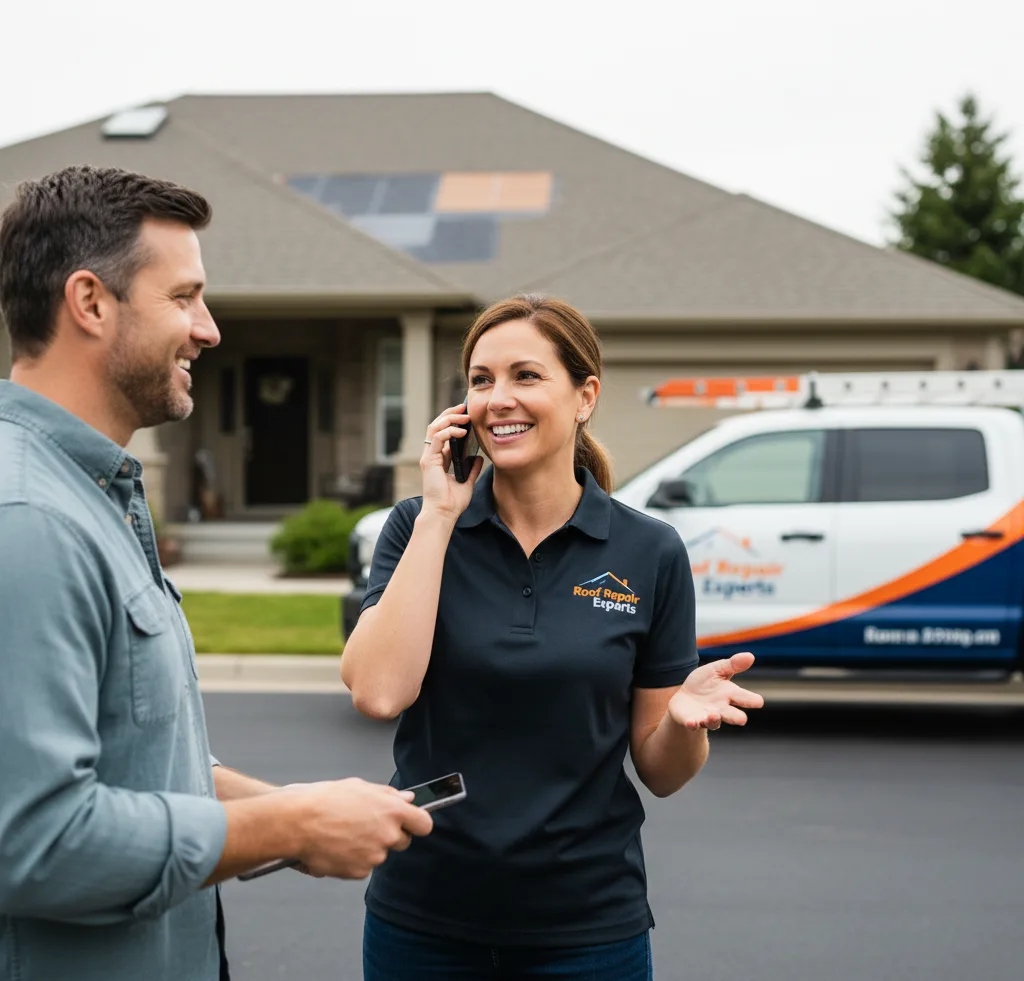
A surface patch can stop immediate entry but does not always address the path water took to reach that point. An inspection often includes checking the decking beneath the shingles and the condition of nearby flashing. If the underlayment has deteriorated or the leak has traveled along rafters, additional sections may need attention to prevent recurrence in adjacent areas.
Material compatibility, fastening patterns, and sealant choice all play a role in how the repaired area holds up over time. Matching the existing underlayment type and ensuring proper overlap at seams reduces the chance of new entry points forming nearby. Weather exposure after the work also influences longevity, particularly on slopes that receive direct sun or prevailing wind.
Small sealant touch-ups on accessible flashing are sometimes done by owners, but any work above single-story height introduces fall risks and potential warranty issues on the existing roof. Professional crews carry the proper safety equipment and know how to avoid disturbing sound sections while accessing the problem area. A quick assessment can clarify whether the situation requires immediate professional attention or can wait for scheduled maintenance.
Nearby
Coverage