Roof Repair · the USA
Technicians document visible conditions with photographs and measurements. Reports list the location and extent of each finding so owners can review them directly.
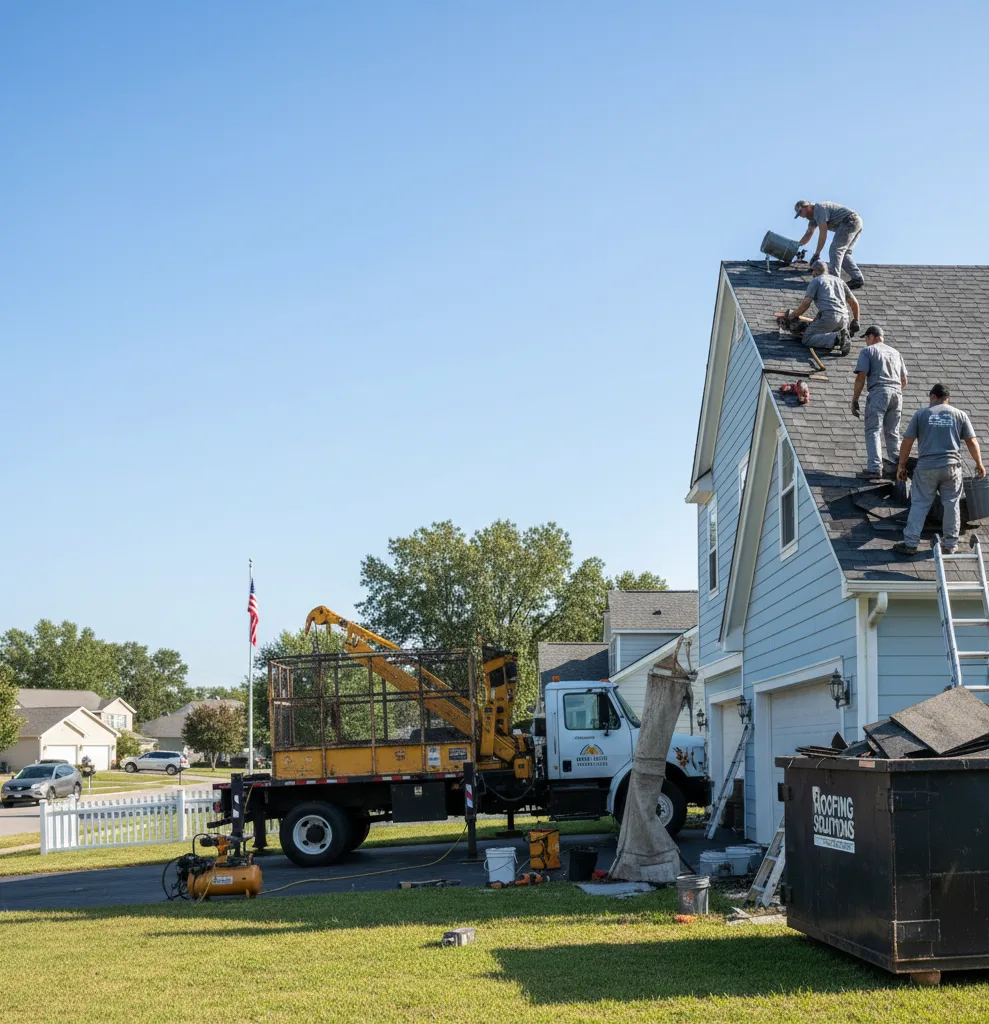
Storm damage often shows up as displaced shingles, dented metal panels, or granule loss on asphalt surfaces. The crew looks for lifted edges, cracked flashing, and spots where water might have reached the underlayment. They also examine attic spaces for moisture stains or insulation compression that point to hidden leaks. Findings get recorded with photographs and measurements so the work scope is clear before materials are ordered.
Roof penetrations such as vents and skylights frequently take hits from falling debris. Valleys collect water fast after heavy rain and may show seam separation if underlayment has shifted. Ridge caps can loosen under sustained wind pressure, letting air and moisture move beneath the surface layer. Property owners can spot these spots from the ground by watching for uneven lines or missing pieces, though a full evaluation needs roof access.
FAQ

A surface patch can stop immediate entry but does not always address the path water took to reach that point. An inspection often includes checking the decking beneath the shingles and the condition of nearby flashing. If the underlayment has deteriorated or the leak has traveled along rafters, additional sections may need attention to prevent recurrence in adjacent areas.
Material compatibility, fastening patterns, and sealant choice all play a role in how the repaired area holds up over time. Matching the existing underlayment type and ensuring proper overlap at seams reduces the chance of new entry points forming nearby. Weather exposure after the work also influences longevity, particularly on slopes that receive direct sun or prevailing wind.
Small sealant touch-ups on accessible flashing are sometimes done by owners, but any work above single-story height introduces fall risks and potential warranty issues on the existing roof. Professional crews carry the proper safety equipment and know how to avoid disturbing sound sections while accessing the problem area. A quick assessment can clarify whether the situation requires immediate professional attention or can wait for scheduled maintenance.