Roof Repair · the USA
Each project is scoped on site, materials are ordered to match the measured area, and the sequence of tear-off and installation follows a documented checklist. Crews work within the standards set by the manufacturer and local building requirements.
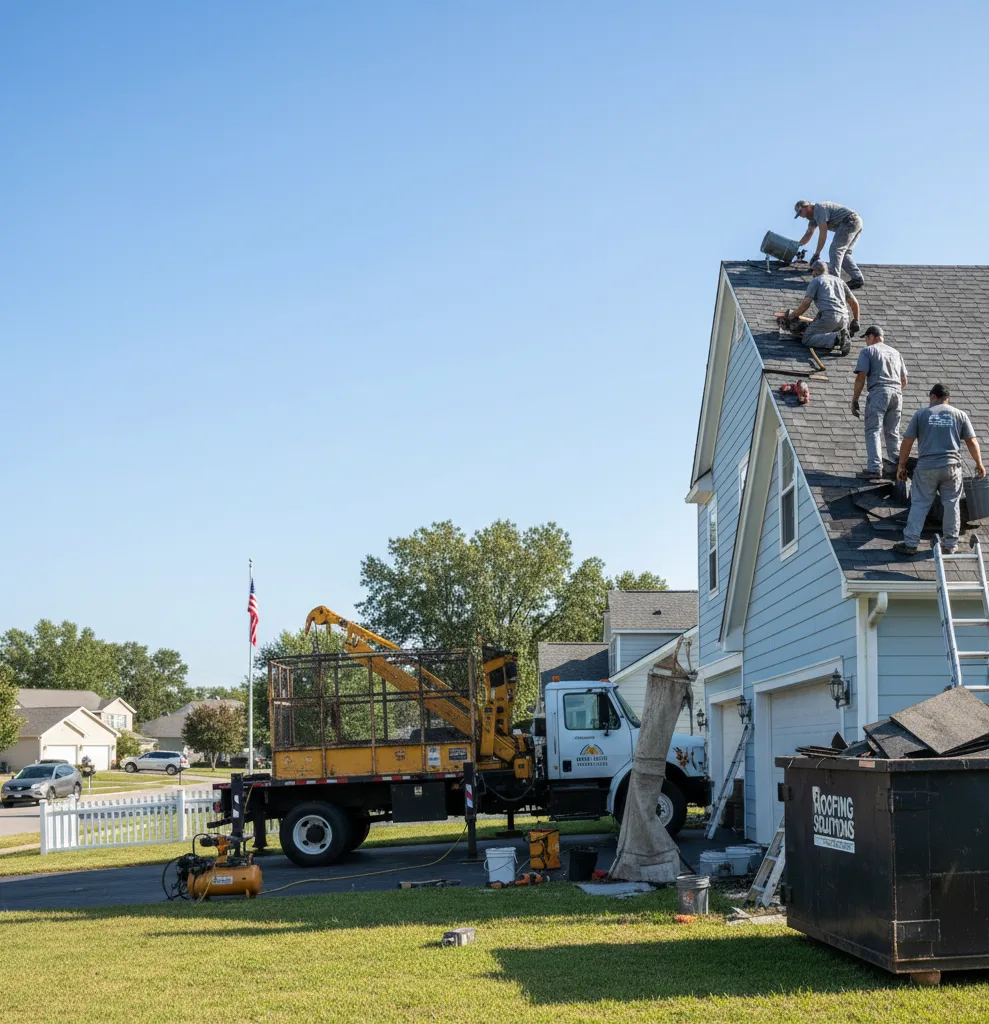
Homeowners often notice curling edges, missing tabs, or dark streaks along the slopes. These visible changes usually point to age, weather exposure, or underlying moisture that has begun to affect the decking. A closer look during a roof inspection may reveal daylight through nail holes or soft spots when pressure is applied to the sheathing. Granule loss in gutters is another common indicator that the protective surface layer has worn away. When several of these conditions appear together, replacement rather than isolated repairs becomes the practical choice. The process begins with removal of the old layer, inspection of the deck for rot, and installation of new underlayment before the fresh shingles are applied. Proper ventilation and ridge details are addressed at the same time through roof maintenance so the new roof functions as a complete system.
Heat buildup in poorly ventilated attics shortens shingle life by accelerating the breakdown of the asphalt binder. Wind-driven rain can lift tabs and allow water to reach the felt or synthetic underlayment, a problem often resolved with storm damage repair. Tree limbs that rub against the surface create small tears that widen over time. In regions with freeze-thaw cycles, ice dams push water under the shingles and into the living space. Regular visual checks from the ground or attic can catch these issues before they spread to the decking itself, helping avoid the need for emergency roof repair.
FAQ
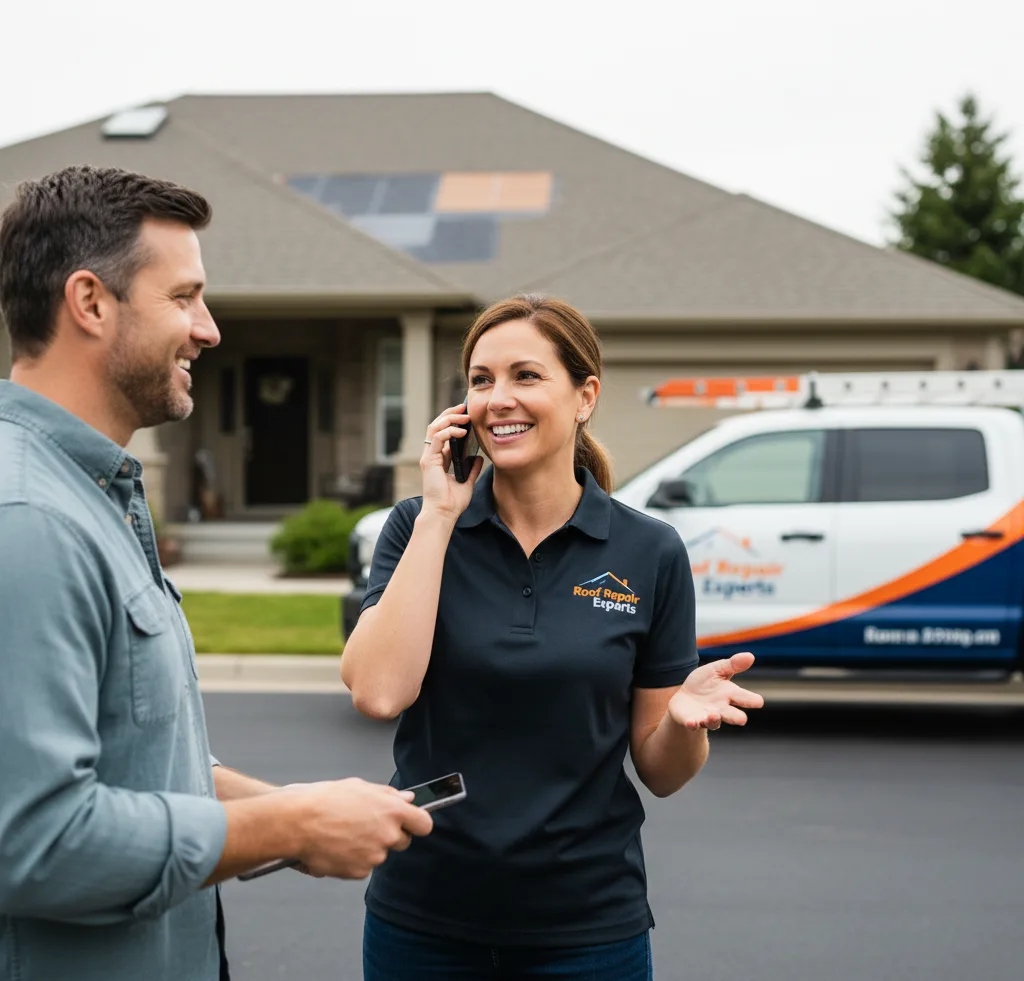
A surface patch can stop immediate entry but does not always address the path water took to reach that point. An inspection often includes checking the decking beneath the shingles and the condition of nearby flashing. If the underlayment has deteriorated or the leak has traveled along rafters, additional sections may need attention to prevent recurrence in adjacent areas.
Material compatibility, fastening patterns, and sealant choice all play a role in how the repaired area holds up over time. Matching the existing underlayment type and ensuring proper overlap at seams reduces the chance of new entry points forming nearby. Weather exposure after the work also influences longevity, particularly on slopes that receive direct sun or prevailing wind.
Small sealant touch-ups on accessible flashing are sometimes done by owners, but any work above single-story height introduces fall risks and potential warranty issues on the existing roof. Professional crews carry the proper safety equipment and know how to avoid disturbing sound sections while accessing the problem area. A quick assessment can clarify whether the situation requires immediate professional attention or can wait for scheduled maintenance.